
About MTTG
Our mission and how MTTG uses golf as therapeutic recreation.
Our Mission
To expand access to therapeutic recreation through golf, helping Veterans, children, and adults living with disabilities stay active, build confidence, and develop greater self-direction in their daily lives.
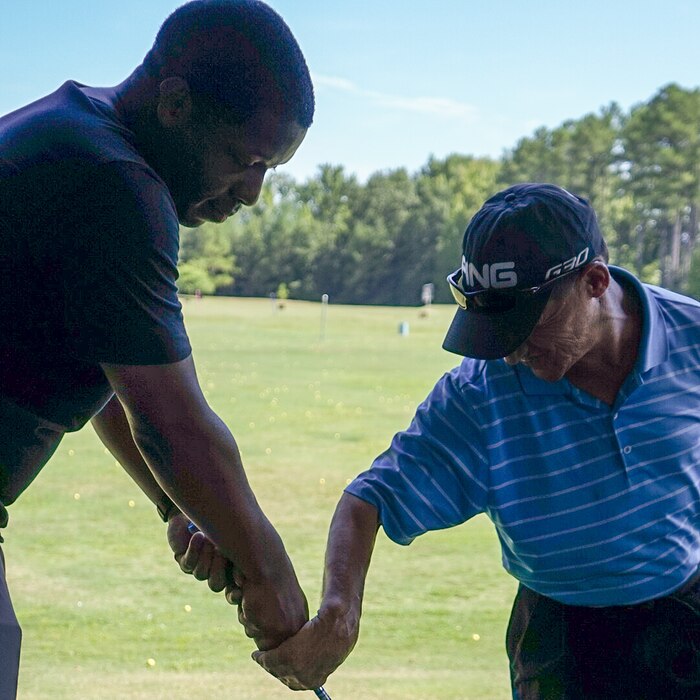
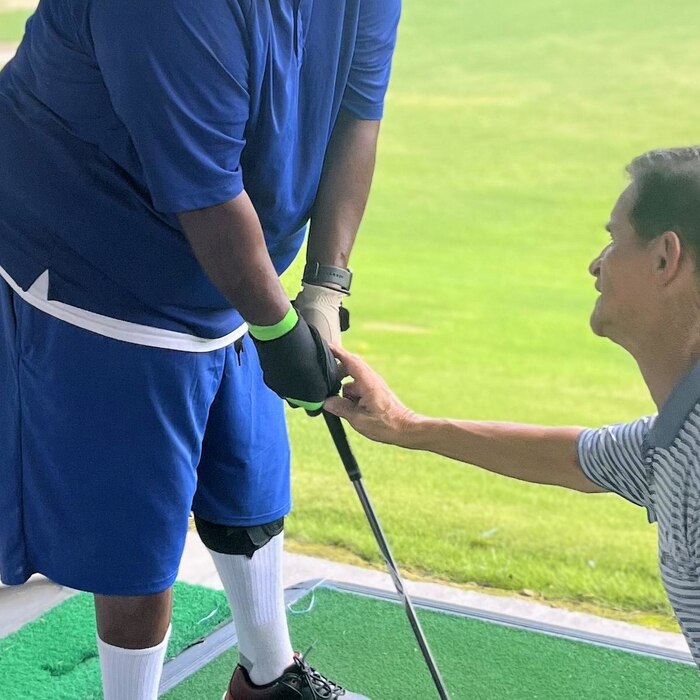
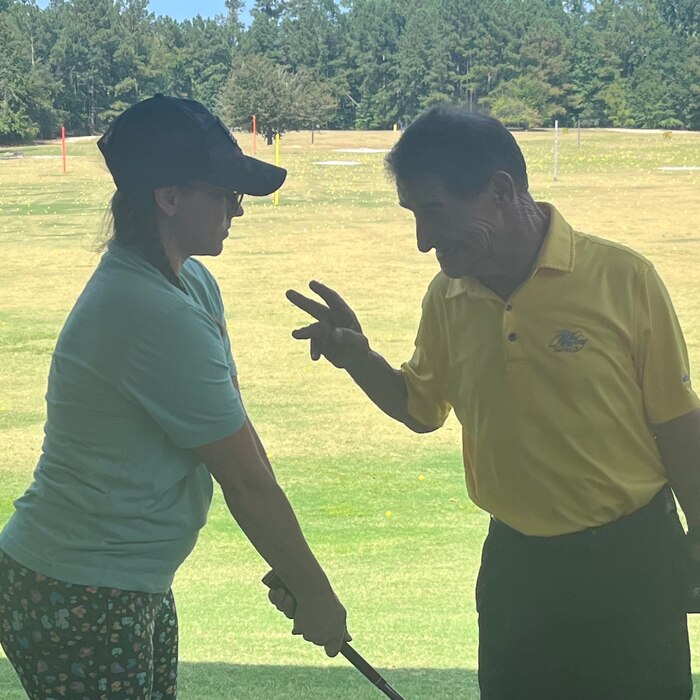
MTTG uses golf as a therapeutic recreation activity for people with disabilities, injuries, or who are recovering from illness or injury. Instruction is adjusted to the individual and can involve standard or adaptive approaches. MTTG also works with healthcare providers, golf organizations, and community organizations that connect people with the program or support opportunities to learn and play.
How the Approach Works
Therapeutic recreation can help people become more self-directed in how they choose and take part in leisure activities. At MTTG, the goal is not simply to attend a clinic. Over time, participants are encouraged to make more of their own decisions about practicing and playing golf. Instruction and mentorship support that process.
Self-Direction
Participants are encouraged to make more of their own choices about how they practice and play.
Beyond the Clinic
The goal is for golf to become something a participant can continue outside a scheduled MTTG session.
Mentorship
Instruction is adjusted to the individual, with support provided as participants become more comfortable practicing and playing on their own.
The Participation Gap
Across the CSRA, more than 1 in 4, an estimated 214,000, lives with a disability.
Source: CDC, 2022, applied to current Census Bureau population estimates for the region's 18 counties
35% of people with disabilities who don't currently play golf say they're interested in learning, and 22% who played before their disability have since stopped. (National Center on Accessibility & Clemson University, cited in Robb, 1999)
Even when programs exist, many disabled golfers experience high dropout and limited transition into regular, independent play. (Monforte, Smith & Bennett, International Journal of Golf Science, 2022)
Starting golf and continuing to play are different things. MTTG's programs are designed to help participants move beyond an introductory experience and become more comfortable practicing and playing over time.
Our Leadership
MTTG's leadership includes people who understand disability firsthand and people with professional experience in therapeutic recreation and golf instruction. The volunteer board provides governance and program oversight.
Our Approach to Leadership
Program decisions are informed by therapeutic recreation and golf instruction. The board provides oversight, and healthcare professionals contribute when programs involve the people they serve.
Governance & Program Oversight
A Certified Therapeutic Recreation Specialist (CTRS) serves on MTTG's board and advises on program design and therapeutic recreation practice. The board is responsible for governance and program oversight.
MTTG Board and Staff Leadership
Martin Turcios, M.S., Recreational Therapy
Founder & Executive Director
Lead Adaptive Golf Instructor & Therapeutic Recreation Specialist.
Melody Lacy
Secretary and Treasurer
Development & Grants Director. Oversees financial stewardship, grant strategy, and compliance.
Daniel Ruder, MS, MA
Plans & Governance
Colonel, United States Army (Retired). Leadership, organizational governance, sustainability.
Kandra Seng, BS, CTRS
Therapeutic Recreation & Clinical Partnerships
Certified Therapeutic Recreation Specialist. Strengthens clinical alignment of programming.
Sara Hillyard, BHS
Community Outreach & Partnerships
Guides community engagement planning and partnership development.
Meet Marty
Marty Turcios was born with cerebral palsy and learned to play golf on his own. He later became a golf instructor and therapeutic recreation professional.
Read MoreOur Partners
Meet the healthcare providers, golf organizations, universities, and other organizations that work with MTTG.
Read More2025 Impact Report
371 participant visits, 77 clinics and on-course outings, and what participants report about their own progress in MTTG's first Impact Report.
Read More